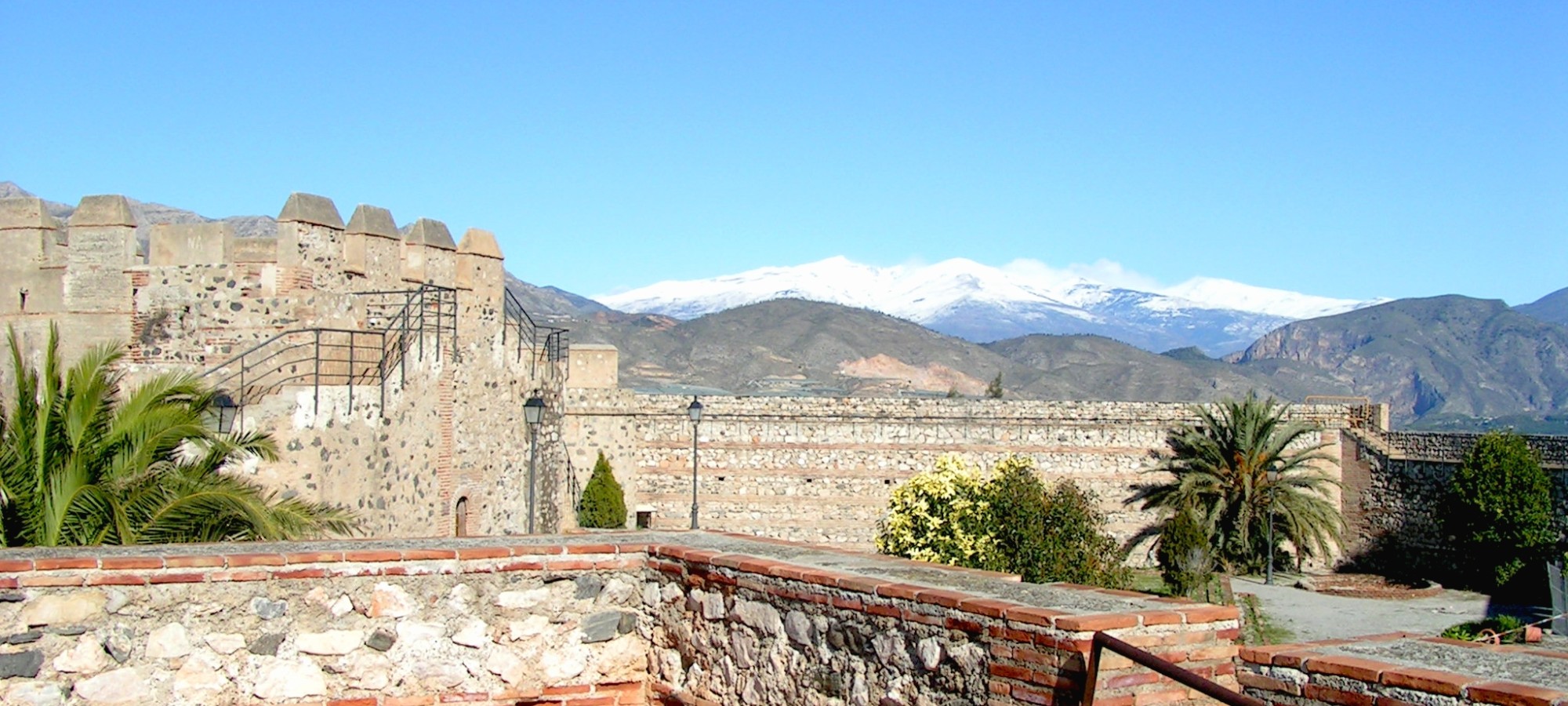
Unveiling the tapestry of time: A glimpse into Salobreña's storied past
Salobreña, nestled along the sun-kissed shores of Spain's Costa Tropical, carries within its whitewashed walls and ancient streets a rich tapestry of history that dates back millennia. From its humble beginnings as a Phoenician settlement to its reign under Moorish rule and its evolution into a modern-day coastal gem, Salobreña's journey through time is as diverse and captivating as the landscapes that surround it.
Phoenician Origins:
The earliest traces of human presence in Salobreña date back to the Phoenician era, around 1000 BCE. Drawn to its strategic location overlooking the Mediterranean Sea, the Phoenicians established a thriving trading outpost, leaving behind remnants of their culture that echo through the ages.
Moorish Legacy:
Salobreña reached its zenith during the Moorish period, when it became an important stronghold of the Nasrid dynasty. Under Moorish rule, which spanned over five centuries, Salobreña flourished as a center of agriculture, trade, and culture. The iconic Salobreña Castle, perched atop a rocky promontory, was constructed during this time, serving as both a defensive fortress and a symbol of Moorish power and architectural prowess.
Christian Conquest and Renaissance Influence:
In 1489, Salobreña fell to the forces of the Catholic Monarchs, Ferdinand II of Aragon and Isabella I of Castile, marking the end of Muslim rule in the region. The Christian conquest ushered in a period of transition and transformation, as Salobreña adapted to the changing political and cultural landscape of Spain. During the Renaissance, the town experienced a revival of arts and architecture, with notable landmarks such as the Church of Nuestra Señora del Rosario adding to its cultural heritage.
Modern Era and Tourism Boom:
In the modern era, Salobreña evolved into a popular tourist destination, attracting visitors from around the world with its scenic beauty, historical charm, and laid-back atmosphere. The preservation of its Moorish legacy, combined with modern amenities and infrastructure, has made Salobreña a sought-after destination for travellers seeking an authentic taste of Andalusia's cultural heritage.
Preserving the Past, Embracing the Future:
Today, Salobreña stands as a testament to the enduring spirit of resilience and adaptation, where ancient traditions coexist harmoniously with contemporary life. As visitors wander through its labyrinthine streets, gazing upon centuries-old monuments and soaking in panoramic views of the Mediterranean, they become part of Salobreña's ongoing narrative—a story of survival, transformation, and the timeless allure of history set amongst one of Europe’s most unique natural landscapes.
Hotel Miba is the ideal location to savour Salobreña’s wonderful historical legacy with its fantastic views of the castle. The old town is a short walk away as is the characterful area of La Caleta with Europe’s last functioning sugar factory (until 2006), charming small port and watchtower perched atop vertiginous cliffs.